
Anghami: Play music & Podcasts
Anghami TechnologiesMusic & Audio
4.610.83K Reviews
- Version
- Varies With Device
- Installs
- 50.00M
- Age Rating
- Teen
Screenshots

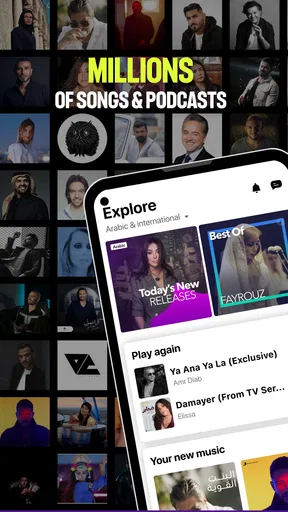

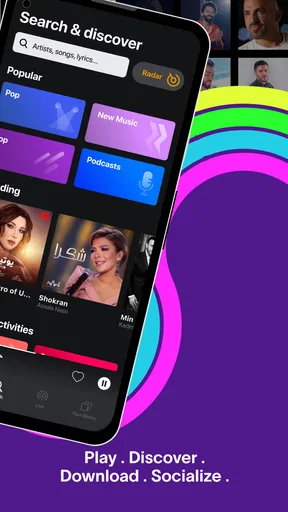
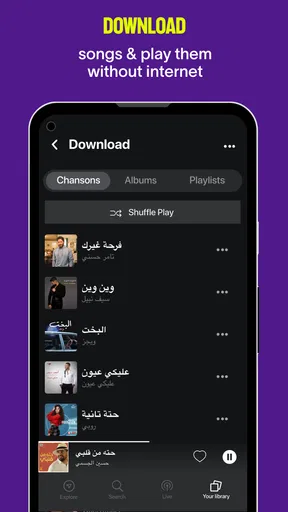
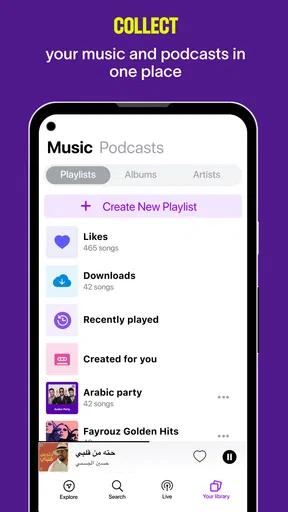
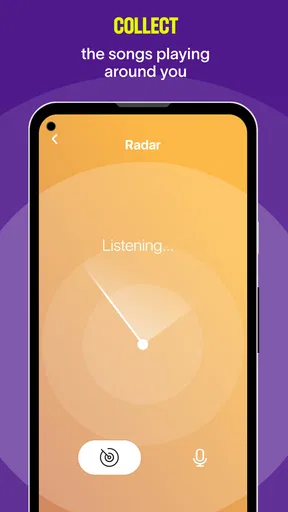
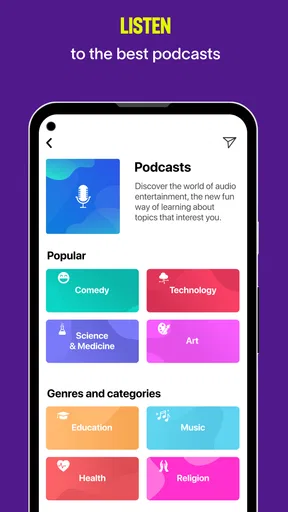
Our Review of Anghami: Play music & Podcasts
 Analysis by Appyee
When I choose a music app, I care about more than a big library: I want to find something worth hearing without endless searching, move easily between familiar favorites and new discoveries, and know what will still work when my connection drops. Anghami: Play Music & Podcasts makes its strongest case for listeners who want Arabic music to be central to that experience, while also bringing podcasts into the same listening routine. I’d consider it alongside a general-purpose streaming service, but I wouldn’t assume every app serves the same musical tastes equally well.
Start with the listening you actually do
Before switching, I’d ask myself what I play most often and how I listen. If Arabic music is a regular part of your day, Anghami is an especially natural place to explore. If your listening is mostly built around podcasts, spoken audio, or a wide mix of international music, the right choice depends on whether its catalog and recommendations suit those habits. The useful test is not simply whether an app has playlists; it is whether you can reliably find something you want to hear without turning every listening session into a search task.
Anghami is a free music and audio app from Anghami Technologies, and it has been available since 2012. It has a 4.6 average from around 1.6 million ratings, with over 50 million installs. That makes it a well-established option, though popularity alone cannot tell you whether its selection matches your own taste. I’d treat the first few sessions as a practical trial: search for the artists and styles you return to, then see whether the suggestions lead you somewhere interesting rather than repeatedly circling the same familiar choices.
Where it earns a place in my routine
The appeal is the combination of music discovery and everyday convenience. A listener who moves between Arabic tracks, playlists, and podcasts can keep those habits together instead of switching between separate audio apps. I also like that discovery can be approached in more than one way: start with a known artist, browse a playlist for a particular mood, or let recommendations surface something unfamiliar. Those routes matter because I don’t always know exactly what I want before I press play.
A realistic use case is a commute that starts with a playlist and ends with a podcast. I’d pick music before leaving, download what I expect to listen to when I have a connection, and switch to spoken audio when I want a change of pace. The practical tip is to prepare downloads while connected rather than waiting until a signal becomes unreliable. That turns offline listening from a rescue plan into a deliberate part of the routine, and it helps avoid using mobile data for audio you already know you’ll want.
Discovery works best when you guide it
The personalized suggestions are more useful when I give them a fair starting point. I’d search for artists and genres I genuinely enjoy, save or revisit the tracks that feel right, and use playlists as a way to explore beyond those anchors. If recommendations begin to feel repetitive, changing what I listen to for a while is a better test than assuming the app has run out of possibilities. A music service can only make discovery feel personal when its picture of your taste has enough variety to work with.
Playlists also serve different purposes, and I wouldn’t treat them all as interchangeable. A mood-based mix is handy when I want background sound without choosing every track; a more focused search is better when I’m looking for a particular singer or style. For a workout or a stretch of concentrated work, I’d choose a playlist with a consistent feel before starting rather than interrupting the activity to keep changing tracks. That small bit of preparation makes the app more useful without requiring a complicated setup.
The social side can add another discovery route: seeing what friends listen to and sharing playlists gives music a conversational dimension. I’d use it when I want recommendations from people whose taste I already know, not as a substitute for my own library or search habits. A friend’s playlist can be a useful starting point, but it may mix styles I wouldn’t choose myself. That is part of the value: it can introduce a different perspective, while leaving me free to keep only what fits.
Discovering the World of Anghami
First off, let’s talk about how easy it is to dive into Anghami. The moment you fire it up, you’re greeted with a clean, user-friendly interface. It’s like a breath of fresh air compared to some other cluttered music apps. You can set up your profile, and from there, the app starts learning what kind of music you dig. It's got this cool feature where it adapts to your taste over time, which is kind of like having your own personal music concierge.
Endless Music and Podcasts
Anghami isn’t just about music; it’s also a treasure trove of podcasts. Whether you’re into true crime, comedy, or want to catch up on the latest news, Anghami has got you covered. I found some local podcasts that I’d never heard of before, which was a pleasant surprise. The app offers a seamless experience switching between music and podcasts, making it a versatile tool for your everyday listening.
For me, the advantage of keeping podcasts beside music is less about having everything in one place and more about reducing small bits of friction. If I finish a playlist and want spoken audio, I can continue listening in the same app rather than changing tools. The trade-off is that a single app may not be the best specialist experience for every format. If podcast organization is the main reason you’re choosing a service, I’d compare how comfortably you can find and return to the shows you follow, rather than judging it only by the presence of podcasts.
Curated Playlists and Recommendations
One feature I particularly loved was the curated playlists. Anghami offers playlists for just about any scenario—be it working out, chilling, or something to get your groove on. Plus, the recommendations engine is pretty spot on. It’s like the app knows exactly what you need, thanks to its smart algorithms. I discovered some amazing tracks that I would’ve probably never stumbled upon by myself.
There is a useful distinction between letting a playlist carry the session and using recommendations to find something for later. When I’m busy, I’d rather start a mix and leave it alone; when I have time, I can follow an unfamiliar track back to its artist and explore from there. That second approach turns a good recommendation into a path toward a broader collection, instead of a one-off song that disappears from memory. It is also a sensible way to judge whether the app’s discovery is genuinely helping you, rather than merely filling silence.
Offline Listening
Now, let’s not forget about the offline listening feature. This is an absolute game-changer for those times when you’re off the grid. You can download your favorite tracks and playlists to enjoy without burning through your data plan. This came in super handy during my long commutes where mobile signal was spotty at best.
Downloads are most valuable when I plan around them. I’d save a mix for a commute, a trip, or a place where service is unreliable, then check that the material I intend to hear is ready before leaving. This is also where I’d be selective: downloading everything I might want can take more device storage than necessary, while a carefully chosen set of playlists gives me dependable options without over-preparing. Offline listening helps with connectivity and data use, but it still asks for a little forethought.
Social Features
Anghami also lets you connect with friends. You can see what they’re listening to and even share playlists. It’s a fun way to discover new music and bond over shared tastes. Plus, it adds a social layer to your music experience, making it not just about listening but also about connecting.
I see this as an optional extra rather than a reason everyone should switch. If you enjoy exchanging recommendations, it can make a playlist feel more personal and give you a low-effort way to find music outside your usual habits. If you prefer listening privately or rarely share music, the core appeal is still the listening and discovery experience; you don’t need to make the social tools part of your routine to get value from the app.
Free vs. Premium
The app offers a free version, but if you really want to make the most of Anghami, going Premium is worth considering. The premium option removes ads, offers higher quality audio, and unlocks the full potential of the app. It’s a small price to pay for a big upgrade in your listening experience.
Anghami is free to start, with in-app purchases ranging from under a dollar to around $120 per item. I’d use the free experience to check whether the catalog and recommendations fit before paying for anything. A paid plan is more compelling if you listen often, value an uninterrupted session, or want the benefits described in the app. If you only play music occasionally, or you are still unsure whether its selection suits you, there is little reason to make a decision based on features you may not use.
Compared with the usual alternatives, Anghami’s strongest distinction is its Arabic-music focus alongside music discovery and podcasts. A broad, general streaming service may be a better fit if your listening is spread across many international catalogs or you already rely on its ecosystem and saved library. A podcast-first app may suit someone who mainly follows shows and wants that format to be the center of the experience. I’d choose based on the audio I actually return to, not on which service appears to offer the longest list of features.
Switching also has a small but real cost: rebuilding habits. If you have playlists and saved tracks elsewhere, you may need time to recreate the collections you depend on, and recommendations need time to reflect what you enjoy here. I wouldn’t cancel a familiar service immediately if it holds playlists you use every week. Instead, I’d try Anghami alongside it, search for a handful of essential artists, build one or two practical playlists, and see whether the app earns a regular place in your day.
Who should choose it—and who may not
I’d recommend giving Anghami a serious look if Arabic music is important to you, you like finding tracks through playlists, or you want music and podcasts together for everyday listening. It may be less suitable if your priority is a different region or style that you cannot easily find, if you want a dedicated podcast workflow above all else, or if changing services would disrupt a carefully organized collection you rely on. Those are not reasons to dismiss it outright; they are good reasons to test the specific listening habits that matter to you before committing.
The app is rated for Teen audiences. That is useful context for households deciding whether it belongs on a shared device, but I’d still make listening choices with the actual user in mind. For a younger listener, I would check the material they plan to play rather than treating an age label as a substitute for family judgment.
One common question is whether it can help when internet access is patchy: yes, downloaded music and playlists are the practical answer, provided you prepare them beforehand. Another is whether it is only for music; podcasts are part of the experience too. And if you are wondering whether you must pay to try it, the app is free, while optional in-app purchases are available. Those answers make it easier to decide what to test first without assuming that every listener needs the same setup.
In conclusion, Anghami: Play Music & Podcasts is more than just a music streaming app; it’s a gateway to a world of music and podcasts that caters to your personal taste. With its sleek design, smart recommendations, and offline capabilities, it’s a solid choice for anyone looking to enhance their audio experience. Whether you’re a casual listener or a hardcore music enthusiast, Anghami has something for you. So go ahead, give it a try, and let the music guide your day!
Verdict
Strengths of Anghami: Play music & Podcasts
- Vast library of Arabic music.
- User-friendly interface design.
- Offline listening available.
- High-quality audio streaming.
- Customizable playlists.
Limitations of Anghami: Play music & Podcasts
- Ads in the free version.
- Limited skips without subscription.
- Region-specific content restrictions.
- Occasional app crashes reported.
- Some features locked behind paywall.
Similar Picks in This Category
View All
YouTube Music
Google LLC4.4

Samsung Music
Samsung Electronics Co., Ltd.3.8

Spotify: Music and Podcasts
Spotify AB4.3

JioSaavn - Music & Podcasts
Saavn Media Limited4.3

Lark Player:Music Player & MP3
Lark Player Studio - Music, MP3 & Video Player4.6

StarMaker: Sing Karaoke Songs
SKYWORK AI PTE. LTD.4.3
Frequently Asked Questions
What is Anghami and how does it work?
Anghami is a music streaming app that offers a vast library of Arabic and international songs and podcasts. Users can create playlists, discover new music through curated recommendations, and listen offline by downloading their favorite tracks. The app provides both a free version with ads and a premium subscription for an ad-free experience and additional features.
Is Anghami available on both Android and iOS devices?
Yes, Anghami is available for download on both Android and iOS platforms. Users can find it on the Google Play Store for Android devices and the Apple App Store for iOS devices. The app offers a seamless experience across different devices, allowing users to access their music library anytime, anywhere.
Does Anghami offer a free version, and what are its limitations?
Anghami provides a free version that includes access to a wide range of music and podcasts. However, this version contains ads and limits certain features like offline downloads and high-quality audio streaming. For an enhanced experience, users can upgrade to Anghami Plus, which offers ad-free listening, offline downloads, and more.
How can I subscribe to Anghami Plus and what are the benefits?
To subscribe to Anghami Plus, users can choose a monthly or annual plan directly within the app. Benefits of Anghami Plus include ad-free music streaming, unlimited downloads for offline listening, access to exclusive content, and high-quality audio streaming. This subscription enhances the overall listening experience for music lovers.
Can I share my Anghami playlists with friends?
Yes, Anghami allows users to share their playlists easily with friends via social media platforms or direct links. This feature lets you connect with others through music, discover new songs, and enjoy collaborative playlists. Sharing is simple and enhances the social aspect of the app, making music a more communal experience.
